


Is the 2026 Ford Transit or 2026 Mercedes-Benz Sprinter the better 15-passenger shuttle for airport and hotel runs around Valley View, OH?
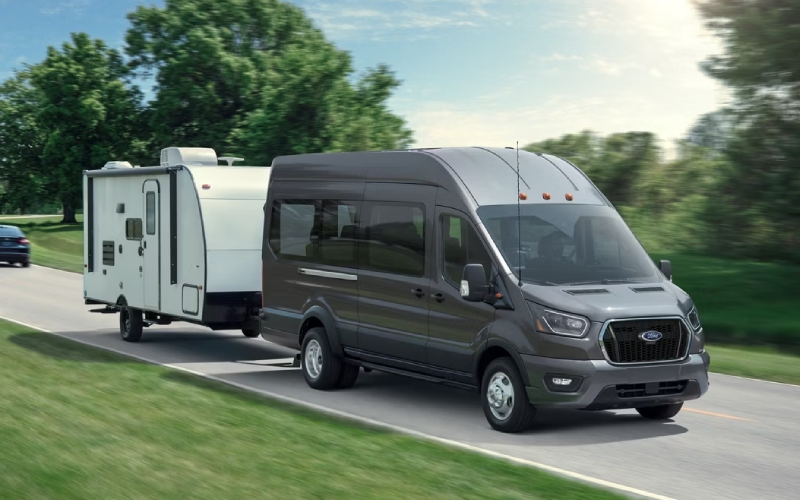
Valley Ford Truck – Is the 2026 Ford Transit or 2026 Mercedes-Benz Sprinter the better 15-passenger shuttle for airport and hotel runs around Valley View, OH?
Choosing the right 15-passenger van for airport and hotel shuttles means balancing cabin comfort, loading efficiency, driver visibility, and all-weather control. The Ford Transit® Passenger Van and the Mercedes-Benz Sprinter Passenger Van both have the capacity and options to do the job well, but the details affect how smoothly you can run tight schedules and maintain a consistent rider experience. This guide answers one of the most common comparisons we hear: Which van better supports shuttle routes that combine short downtown hops with freeway stints and constant curbside activity?
We’ll look at seating access, driver-assistance technology, infotainment usability, and traction tools that matter on airport ramps and hospitality corridors. Whether you dispatch a single van or manage a mixed fleet, you want passengers to step in, find a seat quickly, and ride in a cabin that feels orderly and quiet while your driver navigates ramps, garages, and loading zones without surprises.
Cabin layout and passenger flow
Passenger throughput matters when you’re juggling luggage, strollers, and late checkouts. Transit® offers seating for up to 15 with wide walkways and available 10-way power heated front seats to keep drivers fresh during back-to-back loops. The sliding door’s Close Assist feature helps eliminate slamming—useful at early hours or near guest rooms—while the available 253-degree rear-door opening on certain configurations makes loading carts or equipment straightforward. In the Sprinter, high-roof availability supports easier stand-up movement and the cabin feels premium, but door operation is more traditional and may require more force when you’re hustling at busy curbs.
Transit’s standard 12-inch SYNC® 4 center display places navigation and key functions squarely in view, so drivers can quickly confirm terminal changes and route updates. Mercedes-Benz’s MBUX interface is polished and powerful, and the available digital interior mirror is a smart touch for vans with blocked rear sightlines. Still, Transit’s simpler menu structure and Enhanced Voice Recognition tend to shorten the learning curve for rotating drivers, which is helpful when you need fill-in coverage on short notice.
Driver assistance and visibility
Transit® makes Ford Co-Pilot360® standard, including front and rear parking sensors, Pre-Collision Assist® with Automatic Emergency Braking, and a Lane-Keeping System—features that pay off during tight hotel drives and stacked airport queues. The result is a calm driver and more consistent docking, even when you’re threading narrow entries or working around ride-share traffic. Sprinter offers an impressive array of available safety tech—Active Brake Assist with pedestrian recognition, Blind Spot Assist Mirror with Rear Cross Traffic Alert, and Attention Assist are all valuable in busy environments—and its camera and mirror options add confidence. Both are strong on safety; Transit’s advantage is that much of it is standard, which simplifies vehicle assignment within a fleet and creates a more uniform driver experience.
All-weather control and route flexibility
Shuttle routes rarely pause for rain, slush, or sudden lake-effect snow. Both vans offer all-wheel drive, but Transit® pairs available Intelligent All-Wheel Drive with a choice of two engines, including the available 3.5L EcoBoost® V6, to provide surefooted launches and steady midrange power with passengers and luggage aboard. That punchy response can make the difference when merging from short ramps or clearing busy intersections between terminals. Sprinter’s AWD system is refined and the 9G-TRONIC transmission is notably smooth; it’s a relaxing long-haul partner. For shuttles that live by curbside schedules, Transit’s stout low-end response and intuitive controls make life easier on drivers who stop 30 or 40 times a day.
Infotainment and fleet usability
Beyond screens and apps, what matters is how quickly a new or occasional driver can find the right function without hunting. Transit® keeps the essentials on that standard 12-inch display—phone, navigation, audio, and key vehicle settings—and Enhanced Voice Recognition helps minimize taps and swipes when the van is rolling. The FordPass® App ecosystem supports remote information and owner benefits that help keep vehicles coordinated. MBUX in the Sprinter is powerful and expandable with options like wireless charging and built-in navigation, but some fleets report that Transit’s menu flow is easier to master across a broader range of drivers.
- Seating access: Transit® emphasizes wide walkways and approachable step-in heights; Sprinter’s high-roof models support stand-up movement.
- Driver-assist consistency: Transit® includes Ford Co-Pilot360® standard; Sprinter packs advanced features, many as options.
- All-weather confidence: Both offer AWD; Transit’s available EcoBoost® V6 provides reassuring punch when fully loaded.
Operational details that keep schedules tight
Transit® bakes in small advantages that matter over hundreds of stops: Close Assist keeps doors from slamming, the instrument cluster’s TPMS view helps drivers quickly identify pressure issues after rapid curbside turnovers, and the available extended-range 31-gallon fuel tank can reduce mid-shift stops. Sprinter’s strengths include long maintenance intervals and a transmission tuned for quiet highway cruising, which some operators prefer for intercity routes. Neither approach is wrong; for hotel and airport loops where every minute counts, Transit’s everyday conveniences tend to reduce friction where it shows up most.
Frequently Asked Questions:
Does the 15-passenger Transit® have All-Wheel Drive?
Yes. Intelligent All-Wheel Drive is available on the Passenger Van, adding confident traction for ramps, garages, and winter weather.
How quickly can new drivers adapt to each van’s tech?
Most fleet managers report a shorter learning curve with Transit’s standard 12-inch SYNC® 4 display and Enhanced Voice Recognition. MBUX is feature-rich, but may require more initial familiarization.
Which van is better for frequent curbside stops with luggage?
Transit’s Close Assist sliding door, wide openings, and intuitive parking sensors help drivers dock smoothly and load quickly, stop after stop.
If you are evaluating 15-passenger shuttles for hotels and airports, we recommend scheduling a back-to-back drive. The differences become clear as soon as you begin managing tight curbs and rapid passenger turnover. Valley Ford Truck is serving Valley View, Solon, and Brunswick with product specialists who can walk through seat layouts, AWD, and interior options that reflect your exact routes. One drive often makes the decision easy.
We can also help you map your upfit path, from luggage racks and partitions to charging access and device mounts, so your shuttle feels dialed on day one and stays that way as staff rotates. A focused demo route that includes garages, terminal ramps, and hotel loops will highlight how each van behaves where it counts—at the curb.
Finally, think about the ownership ecosystem—driver training resources, service access, and connected support. Transit® aligns those pieces with standard tech and clear controls that promote consistency across your fleet. If keeping schedules tight and riders comfortable is the priority, the Transit Passenger Van tends to fit the shuttle brief with fewer compromises.
Questions about configurations, AWD availability, or seating changes? Our team at Valley Ford Truck can help you compare specifications and arrange a route-specific test drive that mirrors your daily reality.
0 comment(s) so far on Is the 2026 Ford Transit or 2026 Mercedes-Benz Sprinter the better 15-passenger shuttle for airport and hotel runs around Valley View, OH?